
Virgin Galactic is postponing the first commercial flight of its upcoming next‑generation spaceplane, shifting the timeline to 2027 as development and testing continue. The vehicle—intended to replace the company’s current Unity-class craft—was originally expected to begin flying passengers sooner, but Virgin says the extended schedule will ensure higher reliability, smoother operations, and better long‑term performance for its suborbital tourism program.
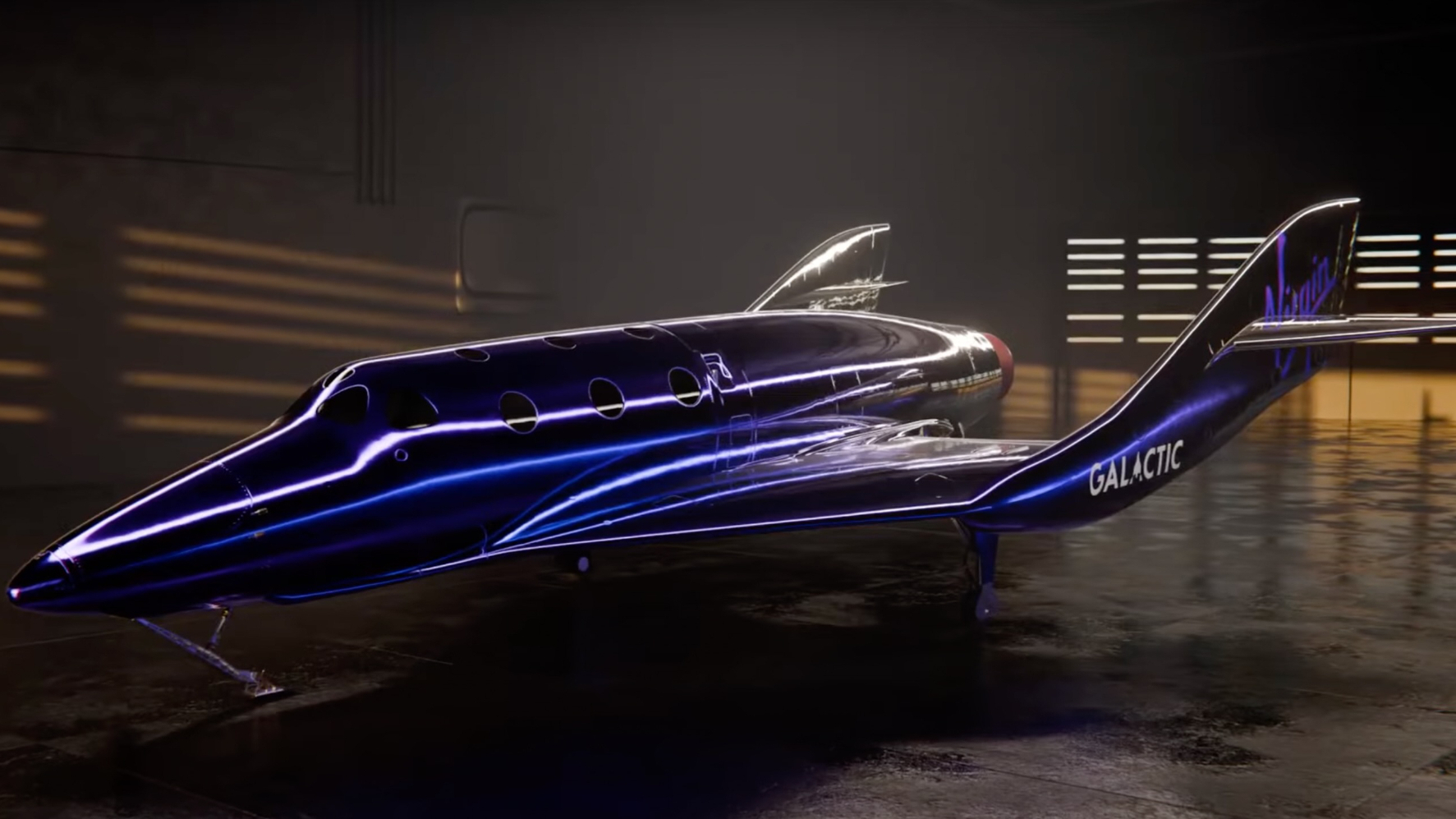
Image Courtesy : space.com
The new spacecraft is part of Virgin Galactic’s “Delta class,” a more advanced design built for higher flight cadence and lower operating costs. Unlike Unity, which has flown only a handful of missions per year, the Delta vehicles are engineered for weekly operations, a key requirement for scaling the company’s business model. The delay suggests Virgin is prioritizing durability and repeatability over speed, especially after Unity’s retirement left the company without an active commercial vehicle.
In the meantime, Virgin Galactic is turning to its community for help naming the new spaceplane. The company launched a public poll inviting fans, customers, and spaceflight enthusiasts to vote on potential names or submit their own. It’s a marketing move that doubles as a way to keep excitement alive during a multi‑year development gap—and a reminder that Virgin’s brand has always leaned heavily on public engagement and spectacle.
The 2027 target places Virgin’s next commercial flight in a competitive landscape. Blue Origin is ramping up New Shepard operations, SpaceX continues to dominate orbital launches, and multiple startups are exploring reusable suborbital platforms. Virgin’s success will depend on whether the Delta-class vehicle can deliver the reliability and frequency needed to make space tourism more than an occasional headline.
For now, the company is asking the public to help shape the identity of its future spacecraft while engineers work behind the scenes to bring the next era of Virgin Galactic flight to life.