
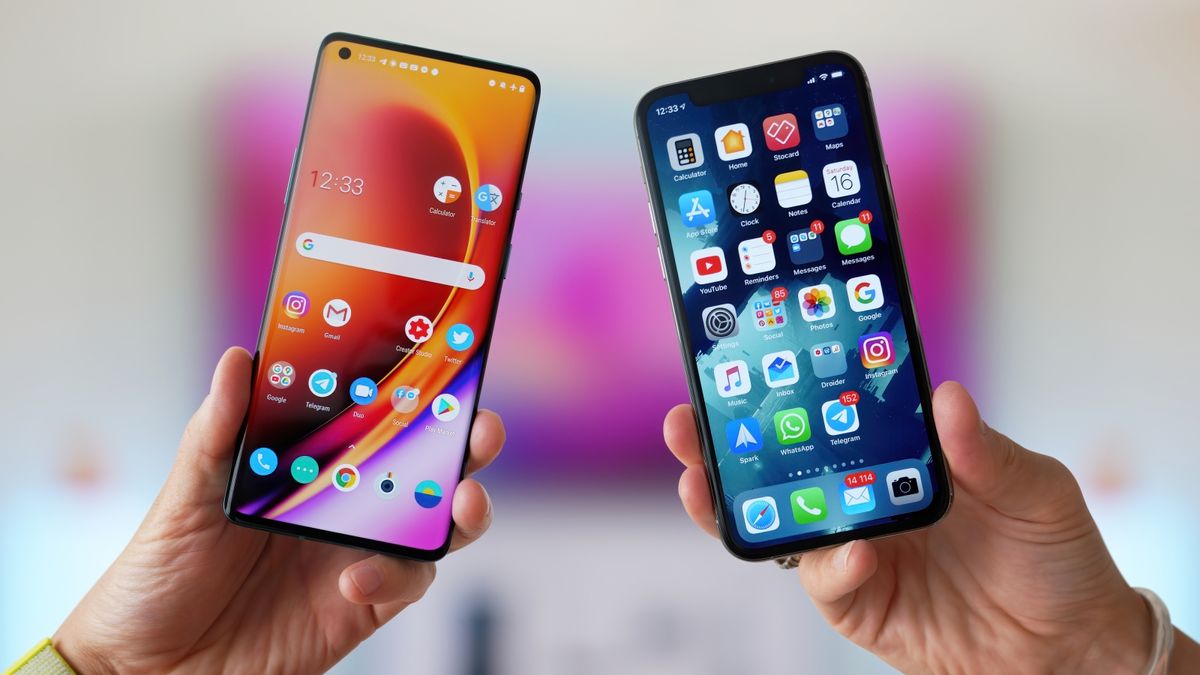
Image Courtesy : tomsguide.com
For years, one of the biggest annoyances in the smartphone world has been trying to share a photo, video, or file between an Android phone and an iPhone. Apple’s AirDrop works flawlessly within the Apple ecosystem, while Google’s Quick Share (formerly Nearby Share) does the same on Android — but cross-platform? You were stuck with texting, email, or third-party apps.
That changed in late 2025 when Google shocked everyone by making Quick Share work directly with AirDrop on the Pixel 10 series. Now, in early 2026, Google has confirmed the feature is expanding fast — to “a lot more” Android devices very soon.
What Happened Last Year (Quick Recap)
In November 2025, Google quietly rolled out two-way Quick Share ↔ AirDrop interoperability, but only on the Pixel 10 family at first. You could finally:
- Send full-resolution photos/videos from a Pixel straight to an iPhone, iPad, or Mac via AirDrop.
- Receive files from Apple devices on your Pixel.
The trick? Apple devices just need to set AirDrop visibility to “Everyone for 10 minutes” (a temporary setting), and the two protocols talk to each other securely. No extra apps, no cloud uploads, no quality loss.
Google emphasized security from day one — the implementation was independently audited and designed to protect your data.
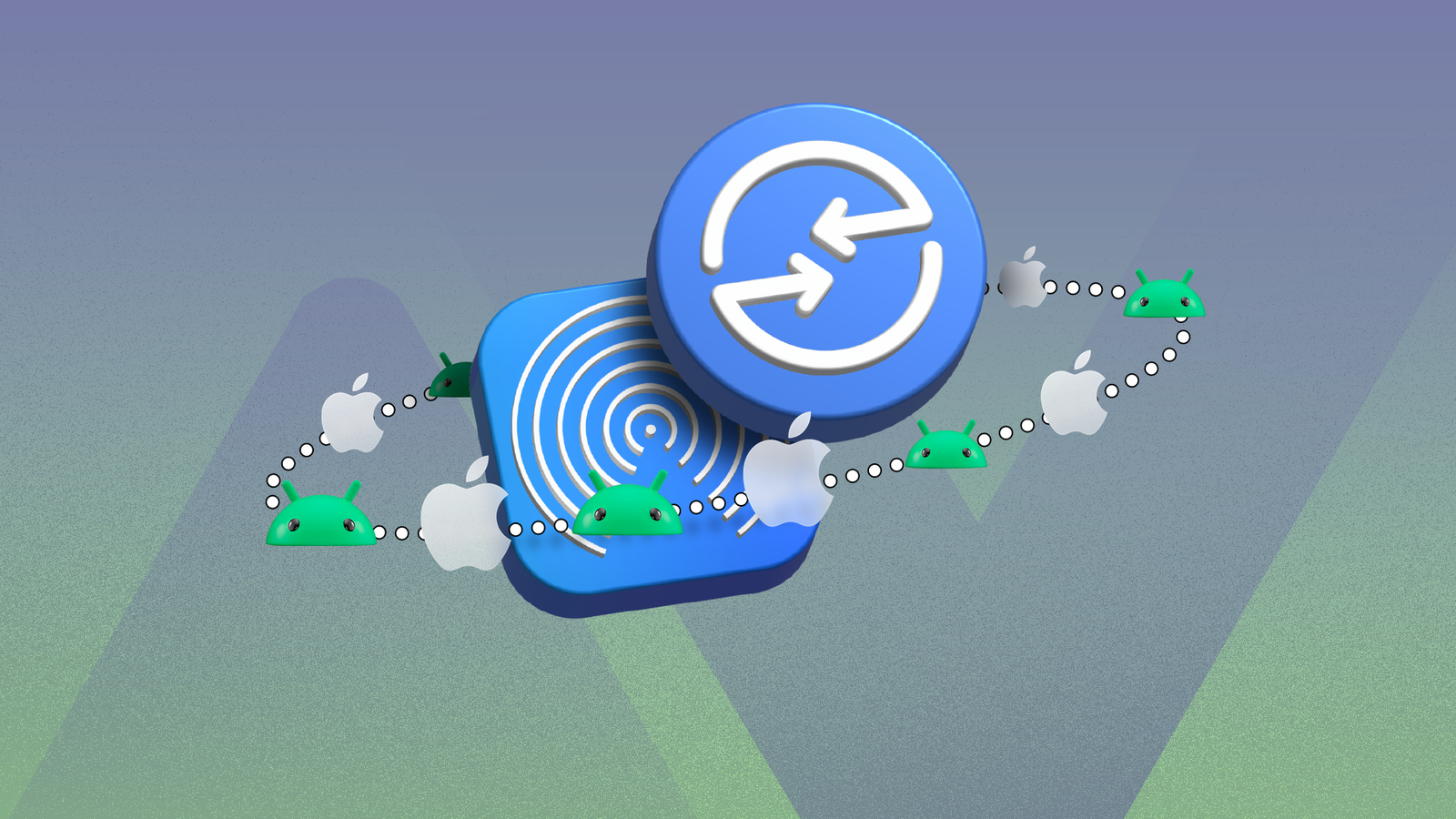
Image Courtesy : androidpolice.com
The Big News: Expansion Is Coming “Very Soon”
During a press briefing at Google’s Taipei office this week, Eric Kay, VP of Engineering for the Android platform, made it official:
“Last year, we launched AirDrop interoperability. In 2026, we’re going to be expanding it to a lot more devices. We spent a lot of time and energy to make sure that we could build something that was compatible not only with iPhone but iPads and MacBooks. Now that we’ve proven it out, we’re working with our partners to expand it into the rest of the ecosystem, and you should see some exciting announcements coming very soon.”
Key takeaways:
- This is no longer Pixel-only. Google deliberately built the feature as a full Play Store APK (Quick Share Extension), so it can roll out to any compatible Android phone.
- Manufacturers are already on board. Nothing has publicly confirmed they’re working on it, and Qualcomm has hinted at Snapdragon support.
- Expect flagship devices from Samsung, OnePlus, Xiaomi, and others to get it first, followed by broader rollout.
Why This Matters (More Than You Might Think)
This isn’t just a convenience feature — it’s a direct attack on one of Apple’s strongest ecosystem lock-ins. AirDrop has long been a reason people hesitate to switch from iPhone to Android. Now Google is removing that friction.
It’s also part of a bigger Google-Apple détente:
- RCS messaging
- Unknown tracker alerts
- Easier data-transfer tools for iPhone-to-Android switchers
Kay even mentioned they’re working harder to make switching painless, including better data migration.
How to Use It Today (If You Have a Pixel 10)
- Update your Pixel 10.
- Open Quick Share in Settings (or from the share sheet).
- To send to an iPhone/iPad/Mac: Ask the recipient to set AirDrop to “Everyone for 10 minutes.”
- Tap Quick Share → select their device.
- Receiving works the same way (your Pixel needs to be discoverable).
Works over Bluetooth + Wi-Fi Direct, just like regular AirDrop/Quick Share.
What to Expect in 2026
- Wider rollout starting this year (Google says “very soon” and “exciting announcements”).
- Support on more chipsets (Snapdragon already teasing it).
- Potentially deeper integration (e.g., easier iPhone-to-Android switching flows).
The walls between Android and iOS are finally cracking — and Google is swinging the hammer.
If you’ve been waiting for seamless cross-platform sharing, 2026 is shaping up to be the year it actually happens for millions of users.